
Before sunrise, the lights are already on at a boxing gym in Osaka. Young athletes move through footwork drills in near silence, their shoes brushing the canvas while a coach calls out corrections from the corner. The scene captures what many trainers describe as the Eastern Fighting Spirit: discipline built through repetition, pressure absorbed without theatrical display, and a stubborn refusal to quit when progress is slow. The phrase has appeared in sports coverage, business commentary and cultural reporting, but its strongest meaning remains visible in ordinary routines. It is less about anger than endurance. A fighter who returns after injury, a student who keeps training after defeat。or a team that works through a poor season can all represent the Eastern Fighting Spirit.Across Asia。
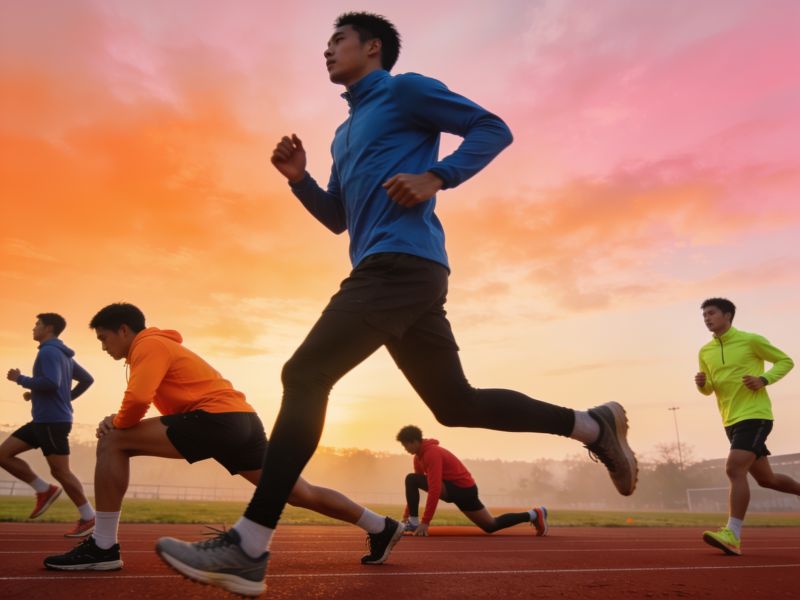
the idea is often linked to martial arts traditions that treat patience as a form of strength. In Japan, karate and judo schools have long emphasized posture, restraint and respect for an opponent. In South Korea, taekwondo academies combine physical conditioning with strict attention to timing and self-control. Chinese wushu schools bring another layer, blending athletic power with balance and precision. These practices do not produce identical attitudes, yet they share a common message: confidence is earned through habits that outsiders may barely notice. That quiet preparation is central to the Eastern Fighting Spirit. The public sees the medal or the victory speech;coaches remember the cold mornings, bruised knuckles and months when improvement seemed invisible.Recent sporting events have given the Eastern Fighting Spirit a wider audience. At international competitions。athletes from the region have increasingly drawn attention not only for their results but also for how they respond to setbacks. A runner who stops to help a fallen competitor, a weightlifter who returns to the platform after a failed attempt, or a goalkeeper who spends extra time with disappointed teammates can turn a routine contest into a larger human story. Such moments challenge the stereotype that fighting spirit must look loud or confrontational. In many cases, the Eastern Fighting Spirit appears in controlled breathing, a bowed head before competition and the decision to attempt one more difficult movement. That restraint can be misread as passivity until the result arrives.The concept has also moved into workplaces and community life, where its meaning is more complicated. Start-up founders in Singapore。factory workers in Vietnam and family businesses in Taiwan often use language associated with perseverance when describing difficult years. Their experience shows both the value and the risk of the Eastern Fighting Spirit. Persistence can protect a company during a supply crisis or help a neighborhood rebuild after a typhoon. It can also encourage people to hide exhaustion, accept unfair workloads and treat rest as weakness. Several younger workers have begun to challenge that older interpretation, arguing that resilience should include asking for help. Their view does not reject the Eastern Fighting Spirit;it updates it. A person who recognizes burnout early may be better prepared for the next challenge than someone who simply works until collapse.That shift is visible in gyms, classrooms and public discussions throughout the region. Coaches now speak more openly about recovery, mental health and the difference between courage and reckless sacrifice. The Eastern Fighting Spirit still carries the image of the athlete standing alone under harsh lights。
but its modern form is more flexible. It can mean returning after failure, protecting a teammate, changing strategy or admitting that a goal needs to be rebuilt. In conversations with trainers and competitors, the same point keeps emerging: toughness is not measured by how much pain a person can conceal. It is measured by the capacity to remain purposeful when circumstances change. That is why the Eastern Fighting Spirit continues to resonate, even far beyond the arenas where the phrase first gained force.